The European Parliament Supports Regulation of Nicotine Products
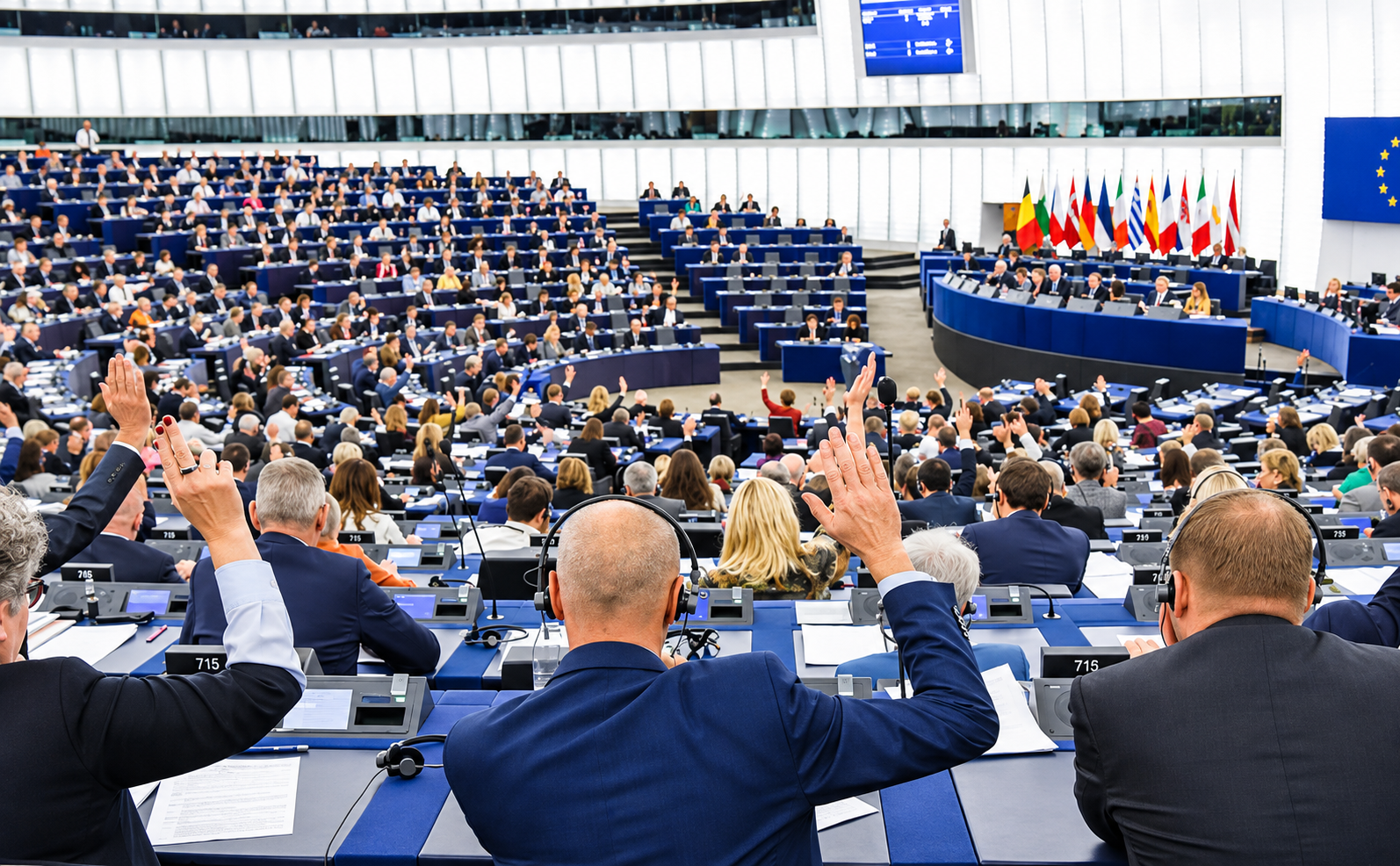
On 12 November, the European Parliament adopted a resolution on the implementation of Europe’s Beating Cancer Plan. The document was supported by 447 Members of the European Parliament.
The resolution calls on the European Commission to accelerate the revision of EU legislation on tobacco and nicotine products. In particular, the future regulatory framework should cover nicotine pouches and other new product categories.
At the same time, the resolution emphasises the need for comprehensive impact assessments of regulatory decisions, evidence-based measures, and consideration of the different characteristics of tobacco and nicotine products.
### What did the European Parliament support?
The document considers the introduction of additional requirements for labelling, packaging and consumer information. Proposed measures include restrictions on flavours that appeal to young people, controls on online sales to minors, and improved age-verification mechanisms.
Particular attention is also given to the advertising and promotion of nicotine products on social media, in digital environments and at points of sale.
An important part of the resolution concerns taxation. The European Parliament supported a call for the gradual convergence of minimum excise duty rates on tobacco and nicotine products. The relevant provisions were supported in separate votes.
### Which amendments were rejected?
MEPs rejected Amendment 2, which proposed explicitly stating that different nicotine products may have different risk profiles. The amendment received 185 votes in favour and 396 against.
Amendment 14 was also rejected. It sought to place specific emphasis on differentiated product risks, proportionality of regulation and assessment of its impact on illicit trade. The result was 178 votes in favour and 426 against.
At the same time, the rejection of these amendments does not mean that a differentiated approach has been entirely excluded from the document: the adopted text already includes a requirement to take into account the different characteristics of products when developing regulation.